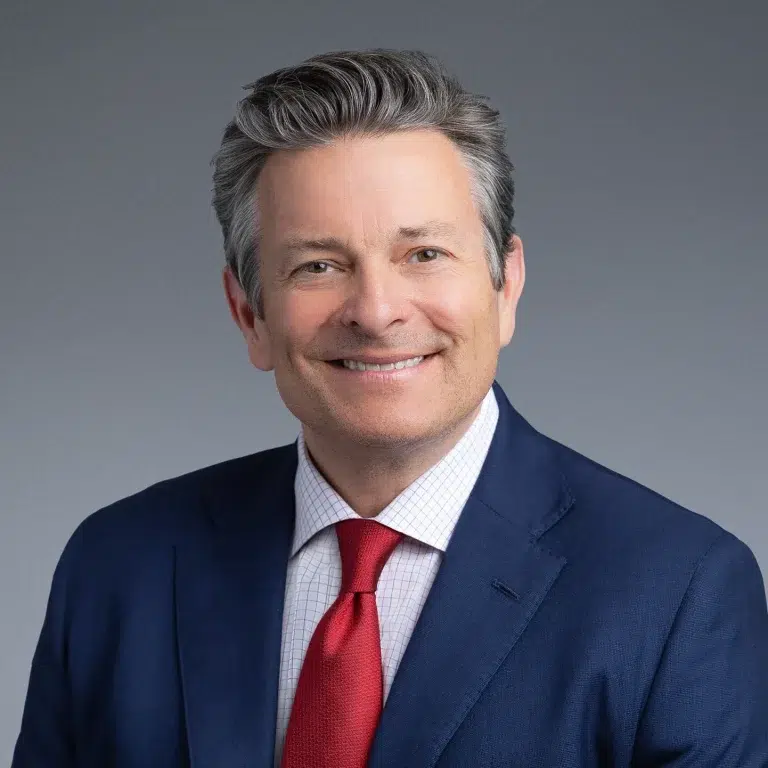
Dr. Edward Perry is the first surgeon in Reno and Nevada to perform a multilevel MIS-Oblique Lateral Interbody Fusion (OLIF)
Swift Spine Institute offers advanced minimally invasive spine surgery techniques, including multilevel minimally invasive Oblique Lateral Interbody Fusion (OLIF) for patients with degenerative lumbar spine conditions.

OLIF can be performed using advanced O-arm® Stealth guidance technology, which helps minimize incision size and allows for precise implant placement. When appropriate, OLIF may be followed by a posterior fusion to provide additional stability and address complex spinal conditions.
In one patient case, a multilevel OLIF was performed using O-arm guidance, followed by a necessary posterior fusion. Within eight weeks, the patient was back to work as a high school football coach and nearing complete pain relief.
Unlike traditional spine surgery approaches, the OLIF technique allows specially trained surgeons to access the spine through an oblique lateral approach while avoiding disruption of the psoas muscle. This can help minimize disruption to surrounding muscle tissue and reduce the risk of related nerve injury.
The Imaging can also demonstrate the correction of the lumbar curve achieved through the procedure. In this patient case, the lumbar curve improved from 23 degrees before surgery to 36 degrees following surgery.
“The oblique lateral approach is a powerful tool for sparing muscle tissue. It can quicken the recovery after spine surgery and help patients like Thomas return to activity faster” explains Dr. Perry. “This innovative technology allows complex flatback deformities that are common in degenerative spine disease to be corrected using a minimally invasive approach, leading to improved patient outcomes than experienced with traditional surgical approaches.”

About Flatback syndrome
When the proper curves in the spine that support an economical stance fail, the result is a condition called Flatback syndrome. Degenerative Disc Disease can contribute to the person developing flatback syndrome. Some of the symptoms of Flatback syndrome include having trouble maintaining a proper posture, low back pain and thigh pain.
Minimally Invasive Spine Surgery at Swift Spine Institute
The neurosurgeons at Swift Spine Institute have extensive experience with minimally invasive spine surgery techniques and advanced spinal procedures. The team treats a wide range of conditions, including minimally invasive spine conditions, adult degenerative disorders, congenital deformities, spine trauma, spine tumors, and spinal deformities.
Swift Spine Institute utilizes advanced technology and minimally invasive approaches, including anterior, lateral, and posterior spinal techniques. The practice has extensive experience with procedures such as MIS TLIF, MAS PLIF, and cervical and lumbar artificial disc replacements.
Our comprehensive spine program is focused on providing patients with advanced surgical options designed to minimize disruption to surrounding tissues, support recovery, and help patients return to their daily activities as efficiently as possible.